
Mobile phones have become the main way people access the internet, shop online, and consume content. Most users spend several hours daily on their smartphones, which makes mobile platforms one of the most powerful channels for digital marketing. Because of this shift, mobile marketing has become essential for businesses that want to reach customers quickly and effectively.
Unlike traditional marketing methods, mobile marketing focuses on delivering personalized, fast, and location-based experiences directly to users’ devices. Whether it is apps, SMS, social media ads, or mobile-friendly websites, businesses now depend heavily on mobile channels to increase engagement and sales. Companies that ignore mobile users are losing a huge portion of their potential audience because most online traffic today comes from mobile devices.
Mobile marketing is important because it directly connects businesses with users at any time and any place. People carry smartphones everywhere, which makes it easier for businesses to reach them instantly with promotions, updates, and offers.
Mobile users usually have high intent because they search for quick solutions, nearby services, or immediate purchases. This makes mobile marketing highly effective for conversions compared to traditional desktop-based campaigns.
Another important reason is accessibility. Mobile marketing allows businesses to reach users through multiple channels like apps, SMS, push notifications, and social media platforms. This increases brand visibility and improves customer engagement.
A major part of mobile marketing is having a mobile-friendly website. If a website is not optimized for mobile devices, users will leave quickly due to poor experience, slow loading, or difficult navigation.
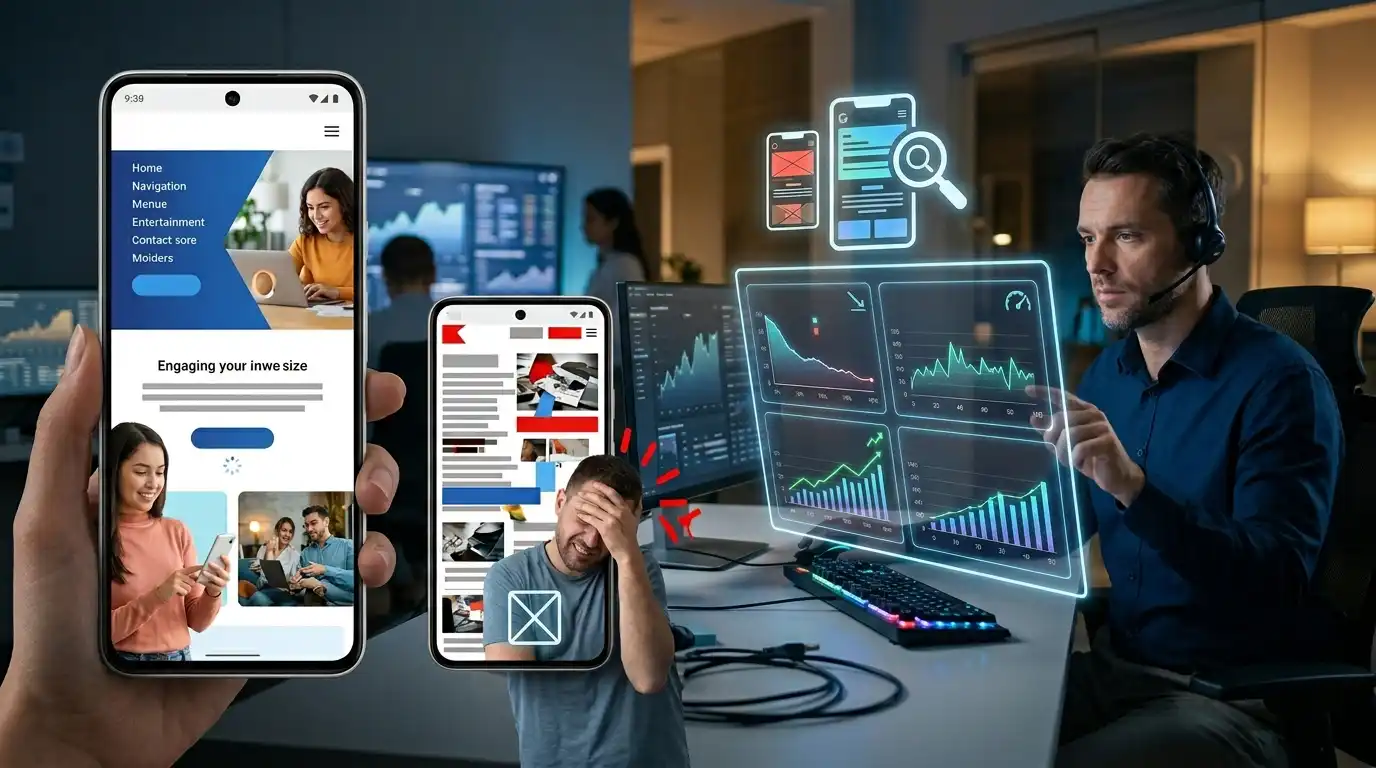
Mobile-friendly websites should load fast, display content properly on small screens, and provide easy navigation. Clear buttons, readable text, and simple layouts improve user experience and increase conversions.
Search engines also prioritize mobile-friendly websites in rankings. This means businesses that optimize for mobile not only improve user experience but also boost their SEO performance.
Mobile applications play a strong role in mobile marketing because they provide a direct communication channel between businesses and customers. Apps allow personalized experiences, faster access, and better engagement.
Businesses can use apps for sending notifications, offering discounts, and tracking customer behavior. Users who install apps are usually more loyal and engaged compared to website visitors.
However, app success depends on value. If an app does not provide useful features, users will uninstall it quickly. Businesses must focus on solving real customer problems through their mobile apps.
SMS marketing is one of the oldest but still effective parts of mobile marketing. It allows businesses to send direct messages to customers about offers, updates, or reminders.
Push notifications from apps are even more powerful because they appear instantly on the user’s screen. These notifications help increase engagement, bring users back to apps, and improve conversions.
However, overuse of messages can annoy users. Businesses must maintain balance and send only relevant and valuable updates to avoid losing customer trust.
Social media is deeply connected with mobile marketing because most users access platforms like Instagram, Facebook, TikTok, and X through smartphones.
Mobile-optimized content such as short videos, reels, and stories performs extremely well because users prefer quick and engaging content. Businesses that create mobile-first content usually achieve better reach and engagement.
Paid social media ads also allow businesses to target mobile users based on location, interests, and behavior. This improves advertising efficiency and helps reach the right audience.
One of the strongest advantages of mobile marketing is location-based targeting. Businesses can send offers and promotions based on a user’s real-time location.
For example, restaurants, retail stores, and service providers can target nearby users with special discounts or alerts. This increases chances of immediate visits and conversions. Location-based marketing is highly effective because it targets users who are physically close and more likely to take action quickly.
Search engine optimization plays an important role in mobile marketing. Most users search on Google using mobile devices, so websites must be optimized for mobile search.
Mobile SEO includes fast loading speed, responsive design, optimized images, and clear content structure. Websites that perform well on mobile devices usually rank higher in search results.
Voice search is also becoming important in mobile SEO. Users often search using natural language queries like “best shop near me” or “how to fix mobile issues quickly.” Optimizing content for these queries improves visibility.
Although mobile marketing is highly effective, it comes with challenges. One major issue is competition because almost every business is targeting mobile users now.
Another challenge is user attention. Mobile users have short attention spans, so content must be engaging and quick to understand. Poor content often gets ignored instantly. Privacy concerns are also increasing. Businesses must handle customer data carefully and follow regulations to maintain trust and avoid legal issues.
The future of mobile marketing is becoming more advanced with AI, 5G technology, and automation. Faster internet speeds will improve video content consumption and real-time interactions.
Artificial intelligence will make mobile marketing more personalized by analyzing user behavior and delivering customized content automatically. Augmented reality and interactive ads will also improve user experience. Mobile commerce will continue to grow as more users prefer buying products directly through smartphones. Businesses that focus on mobile-first strategies will gain a strong advantage in the future.
Mobile marketing has become one of the most important strategies in digital marketing because it directly connects businesses with users through smartphones. It improves engagement, increases conversions, and helps brands reach customers instantly.
As technology continues to evolve, mobile marketing will become even more powerful. Businesses that adapt early and prioritize mobile users
It is a digital marketing strategy that targets users through mobile devices like smartphones and tablets.
Because most users access the internet through mobile devices, making it the fastest way to reach customers.
Mobile websites, apps, SMS marketing, push notifications, and social media ads.
It delivers personalized, location-based, and instant messages that encourage quick user actions.
The biggest benefit is direct and instant engagement with high-intent mobile users.